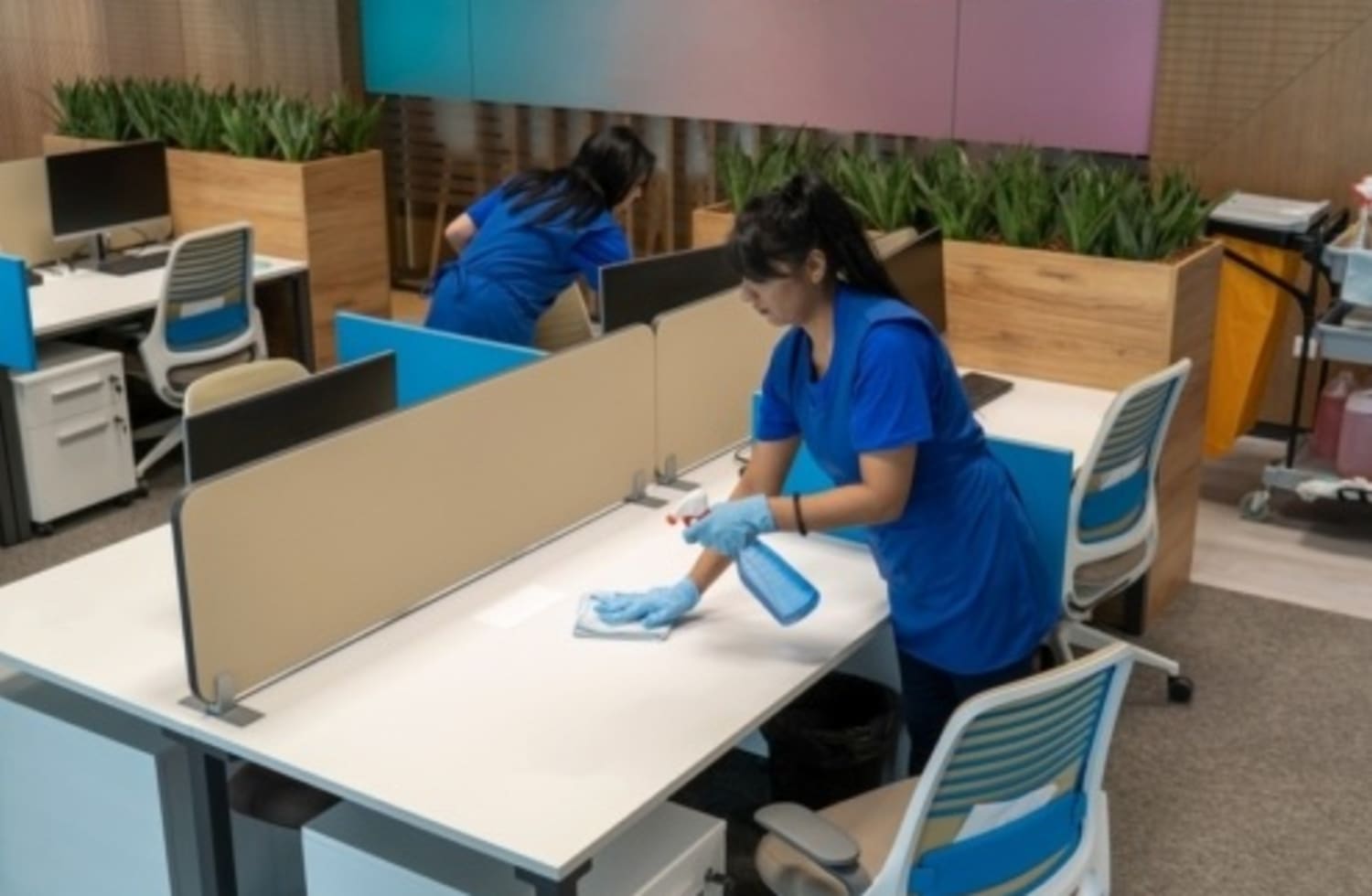
The human brain is a processing machine with a finite amount of bandwidth. Every sensory input—a ringing phone, a flickering light, a conversation nearby—consumes a fraction of that processing power. This is known as "cognitive load." In the corporate world, we often talk about digital distractions, but we rarely address the physical ones. Visual clutter—dust on the monitor, overflowing trash bins, stained carpets—creates a background static that drains mental energy. For high-performance teams, corporate office cleaning NYC is effectively an optimization of the cognitive environment.
When an employee tries to focus on a complex spreadsheet or a strategic plan, their peripheral vision is constantly scanning the environment. If the environment is chaotic or dirty, the brain registers this as "unfinished business" or "disorder." It creates a subtle, low-level anxiety. The brain wants to fix the disorder. By maintaining a visually quiet, pristine workspace, we free up that cognitive bandwidth for the work that actually matters.
The "Broken Windows" Theory in the Office
The "Broken Windows" theory suggests that visible signs of disorder encourage further disorder. In an office setting, this manifests in behavior. If the breakroom sink is always full of dirty mugs and the counter is sticky, employees will subconsciously lower their own standards. They will leave their own mug there, thinking, "It's already a mess, what's one more?"
This apathy spreads. It moves from the kitchen to the conference room, and eventually, to the work product itself. A disorganized environment fosters disorganized thinking. Conversely, a meticulously maintained office sets a social norm of discipline and attention to detail. When the environment is sharp, the employees feel a social pressure to be sharp as well.
Sanitation and Psychological Safety
Post-pandemic, the definition of safety has changed. We are now hyper-aware of germs. If an employee sits at a desk and sees crumbs from the previous user or a smudge on the phone, their amygdala—the threat detection center of the brain—activates. They are no longer thinking about the quarterly report; they are thinking, "Is this desk safe? Will I get sick?"
This background fear response is a massive productivity killer. You cannot be creative when you are in a state of defense. Visible, high-frequency cleaning provides "psychological safety." It signals to the primitive part of the brain that the environment is controlled and safe. This allows the prefrontal cortex—the part responsible for logic and creativity—to come back online and function fully.
The Ritual of the Clean Slate
There is a power in the "clean slate." Walking into an office on Monday morning that has been deep cleaned over the weekend provides a psychological reset. It marks a new beginning. It separates the stress of last week from the potential of this week.
This is why the quality of the Sunday night clean is so critical. If the trash from Friday is still there, the stress of Friday is still there. Professional cleaners are the custodians of this ritual. They erase the physical evidence of past stress, allowing the team to start fresh. It is a subtle form of mental hygiene that supports the corporate culture.
Conclusion
We shape our buildings, and afterwards, our buildings shape us. If we want our teams to be clear-headed, focused, and disciplined, we must provide them with an environment that embodies those qualities. Cleanliness is not just about hygiene; it is the foundation of high-performance psychology.
Call to Action Create a workspace that fosters focus and clarity with professional cleaning services designed for the corporate mind.