

Click Here to Download the PDF.
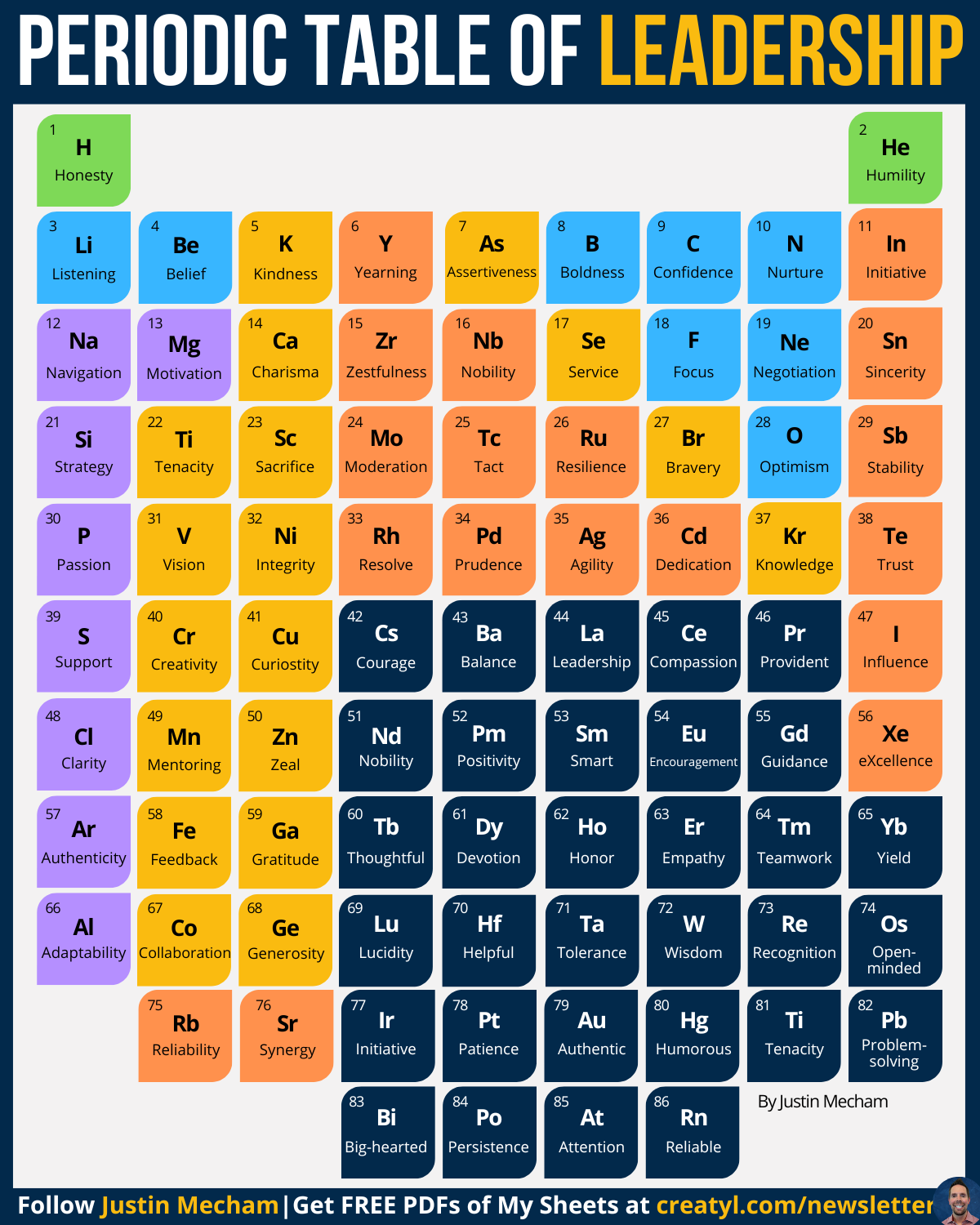
You Can Have The Title. I Want The Trust.
Early in my career, I thought leadership was about authority.
The title.
The promotion.
The bigger office.
The final say.
I believed that once you had the role, influence followed automatically.
But I watched something happen over and over again inside teams.
People didn’t automatically follow the person with the title.
They leaned toward the person they trusted.
They asked that person for advice.
They confided in them after meetings.
They waited for their reaction before forming their own.
They felt calmer when that person was in the room.
That’s when I realized something simple and uncomfortable.
Leadership is not a title.
It is the feeling people have after they work with you.
You can have authority and still be ignored.
You can have no title and still shape the direction of the room.
Trust is built in small moments, not big speeches.
It’s built in how you respond under pressure.
In how you treat someone who cannot help you.
In how you handle mistakes.
In whether your words and actions match.
The “Periodic Table of Leadership” in the infographic is powerful because it reminds us that leadership is not one trait.
It’s a collection of habits. Character. People skills. Performance. Decisions. Growth. Team behavior. Drive.
Let’s break these down in a way that makes them usable, not inspirational.
Character Skills
The Foundation Of Trust
Character is quiet. It rarely gets applause. But it is the base layer of trust.
Tell the truth when it costs you.
Be kind when no one is watching.
Stay steady when things get loud.
These are not dramatic acts. They are daily choices.
When you tell the truth even if it makes you look imperfect, people relax around you.
They know you won’t manipulate information to protect yourself.
When you are kind in private, not just in public, people feel safe.
They believe your respect is real, not performative.
When you stay steady during conflict, your presence becomes stabilizing.
Teachable Moment:
Trust grows when people can predict your values.
If your reactions change depending on who is watching, trust shrinks.
Action Strategy:
- In your next difficult conversation, choose clarity over image.
- When someone makes a mistake, respond with fairness before frustration.
- Notice whether your tone changes depending on status. Correct it.
Character is consistency under pressure.
People Skills
Leadership Is Emotional Before It Is Strategic
Listen without planning your reply.
Say hard things with respect.
Make people feel safe to speak.
Most leaders think communication is about talking well. It’s not. It’s about listening well.
When someone feels heard, they feel valued. When they feel valued, they contribute more honestly.
Saying hard things with respect is another defining trait. Strong leaders do not avoid truth, but they deliver it without humiliation.
Psychological safety is not softness. It is strength. It allows problems to surface early instead of exploding later.
Teachable Moment:
People will give you their best thinking only if they believe it will not be punished.
Action Strategy:
- In your next meeting, ask a quieter team member for input.
- Before correcting someone, acknowledge what they did right.
- Reflect back what you heard before responding.
Listening deeply is a leadership act.
Performance Skills
Reliability Builds Authority
Finish what you start.
Fix problems without blame.
Stay useful when pressure hits.
You cannot earn trust without reliability.
Finishing what you start sounds simple, but it is rare.
Many leaders inspire well but execute poorly.
Fixing problems without blame changes team culture instantly.
When something breaks, strong leaders look for solutions first, not scapegoats.
Staying useful under pressure separates calm professionals from reactive ones.
Teachable Moment:
Your reaction during high-stress moments becomes your reputation.
Action Strategy:
- When an issue arises, say, “Here’s how we fix it,” before asking, “Who caused it?”
- Track commitments publicly so follow-through is visible.
- In tense moments, lower your voice instead of raising it.
Competence earns respect. Reliability keeps it.
Decision Skills
Clarity Over Comfort
Pause before you respond.
Choose clear over easy.
Own the call you make.
Leadership is often tested in decisions.
Fast responses can feel powerful, but rushed decisions often create regret.
Pausing creates space for thought.
Choosing clear over easy means making the decision that aligns with values, not convenience.
Owning the call means standing behind it even when it’s unpopular.
Teachable Moment:
People forgive imperfect decisions. They struggle with indecision.
Action Strategy:
- Before major responses, ask, “What are the long-term consequences?”
- Communicate decisions with reasoning, not just authority.
- If a call fails, own it openly and explain the next step.
Decisiveness without ego builds credibility.
Growth Skills
Leaders Learn Out Loud
Stay curious when you are wrong.
Ask for help without pride.
Learn visibly.
Some leaders protect their image so carefully that they stop growing.
The strongest leaders are comfortable saying, “I was wrong.” That sentence builds more respect than pretending certainty.
Asking for help is not weakness. It models humility.
Learning out loud gives your team permission to grow.
Teachable Moment:
When leaders admit growth areas, teams become more honest about theirs.
Action Strategy:
- Share one recent mistake and what it taught you.
- Publicly thank someone who corrected you.
- Commit to learning one new skill each quarter.
Growth is contagious when modeled.
Team Skills
Trust Multiplies In Shared Credit
Share credit fast.
Back people when they struggle.
Build trust in small ways.
Leaders who hoard recognition lose loyalty.
Leaders who distribute credit gain commitment.
Backing someone when they struggle does not mean ignoring accountability. It means offering support first.
Trust is rarely built in grand gestures. It’s built when you show up for small promises.
Teachable Moment:
Teams mirror how you treat individuals.
Action Strategy:
- In your next win, name specific contributors.
- Defend a team member in a tough room.
- Follow up on a small promise within 24 hours.
Leadership is multiplied through others.
Drive Skills
Consistency Over Applause
Act when it feels risky.
Show up when it is boring.
Stay consistent when no one claps.
Drive is not about intensity. It is about endurance.
Many leaders perform well during visible projects. Few show up consistently when the work is quiet.
The boring days shape culture more than the exciting ones.
Teachable Moment:
Your daily discipline shapes long-term trust.
Action Strategy:
- Identify one habit that signals reliability.
- Keep it steady for 30 days.
- Notice how perception shifts.
Consistency becomes identity.
A Real Workplace Example
How Trust Replaced Title
I worked with a department head who had the title but not the influence.
On paper, they were the leader.
In meetings, however, conversations flowed around them.
Team members waited for input from a senior analyst instead.
Decisions stalled. Morale felt low.
The leader was frustrated. They believed their authority should carry weight.
The issue was not intelligence or experience. It was trust.
The team did not feel heard. Feedback often came sharp. Decisions were made quickly without explanation. Mistakes were met with visible irritation.
Over time, people stopped volunteering ideas. They stopped raising risks early. They complied instead of committed.
The title remained.
The trust faded.
We shifted focus from authority to behaviors.
First, we worked on listening. In meetings, the leader paused and asked two clarifying questions before responding.
Second, they began owning mistakes publicly. Instead of deflecting, they said, “That decision was mine. Here’s how we adjust.”
Third, they shared credit aggressively. Wins were framed around the team’s effort.
Fourth, they slowed reactions during tension. Silence replaced defensiveness.
Within weeks, energy shifted.
Team members spoke more openly. Meetings shortened because clarity improved. Follow-through strengthened.
Nothing about the title changed.
The behaviors did.
Trust grew quietly. Influence followed naturally.
What Made It Work
Small Behavioral Shifts With Big Impact
- Listening replaced immediate correction.
- Ownership replaced defensiveness.
- Credit replaced competition.
- Calm replaced reaction.
None of these required a new title.
They required self-awareness.
The Deeper Shift That Matters
Leadership is not something you announce.
It is something others feel.
They feel steadiness in chaos.
They feel fairness in decisions.
They feel respect in correction.
They feel safety in disagreement.
Titles grant authority.
Behavior grants influence.
The future of leadership will not be defined by hierarchy. It will be defined by trust. Teams move faster when they trust the person guiding them.
And trust is built slowly, one interaction at a time.
The Feeling You Leave Behind
At the end of the day, leadership is measured in a quiet question.
How do people feel after working with you?
Do they feel smaller or stronger?
Do they feel blamed or supported?
Do they feel anxious or clear?
Do they feel controlled or empowered?
Your résumé does not answer that.
Your behavior does.
Leadership is not a performance. It is a pattern. A pattern of honesty. Of listening. Of finishing. Of owning. Of learning. Of showing up.
When people trust you, they bring their best ideas. They take healthy risks. They stay longer. They work harder willingly.
You can have the title.
But the leader people follow is the one who leaves them feeling capable, respected, and safe.
That is influence.
That is leadership.
Best Resources For Building Trust-Based Leadership
Book: The Speed of Trust — Stephen M. R. Covey
Why It Fits: Explores how trust accelerates performance and results.
Book: Dare to Lead — Brené Brown
Why It Fits: A research-backed approach to vulnerability and courage in leadership.
Podcast: Coaching for Leaders — Dave Stachowiak
Why It Fits: Practical leadership insights for modern workplaces.
TED Talk: Everyday Leadership — Drew Dudley
Why It Fits: A grounded perspective on leadership as daily actions.
Tool: 15Five — Founded by David Hassell
Why It Fits: Encourages regular feedback and open communication.
AI Tool: ChatGPT — OpenAI
Why It Fits: Useful for practicing communication clarity and feedback phrasing.
Download The “Periodic Table of Leadership” Infographic (PDF)
If you want a clear visual reminder of the leadership skills discussed here, download the PDF version of the infographic.
Use it as a weekly guide while building one trust-based skill at a time.